


Plot: Two assassins agree to work together as one tries to avenge his wife and the other collects a reward for a job.
Assassination Games opens with a powerful, cynical German quote from Friedrich Nietzsche that perfectly reflects the central theme of Assassination Games:
„Gegen einen Feind gibt es kein besseres Gegenmittel als einen zweiten Feind.“
Translated: “There is no better antidote to one enemy than a second enemy.”
It sets the tone for a story in which two deadly men, each driven by their own motives, are forced to work together — not as friends, but as weapons against a greater enemy. In a world consumed by violence, this quote reminds us that sometimes, evil can only be fought with an even darker force.
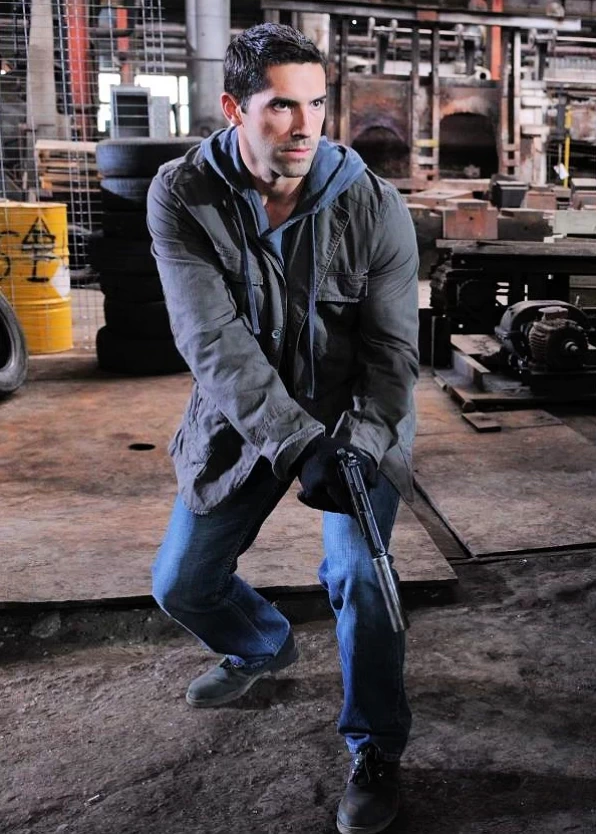
Assassination Games brings together two assassins who have more in common than they initially realize.
Vincent Brazil (Jean-Claude Van Damme) is a cold-blooded loner who carries out his hits without emotion.
Roland Flint (Scott Adkins) is a former elite hitman who laid down his weapons after his wife Anna (played by Bianca Van Varenberg) was beaten into a coma by the ruthless criminal Polo Yakur.
Roland is marked by loss and driven by pure rage. It is one of Adkins’ most layered roles to date and he shows a different side: tormented, intense, and deeply emotional.
His fighting style is less acrobatic, but raw, realistic, and full of weight.
When Yakur resurfaces, a relentless hunt begins — Brazil is in it for the money, Flint for revenge.
Reluctantly, the two men become allies in a corrupt web of criminals and government agencies.
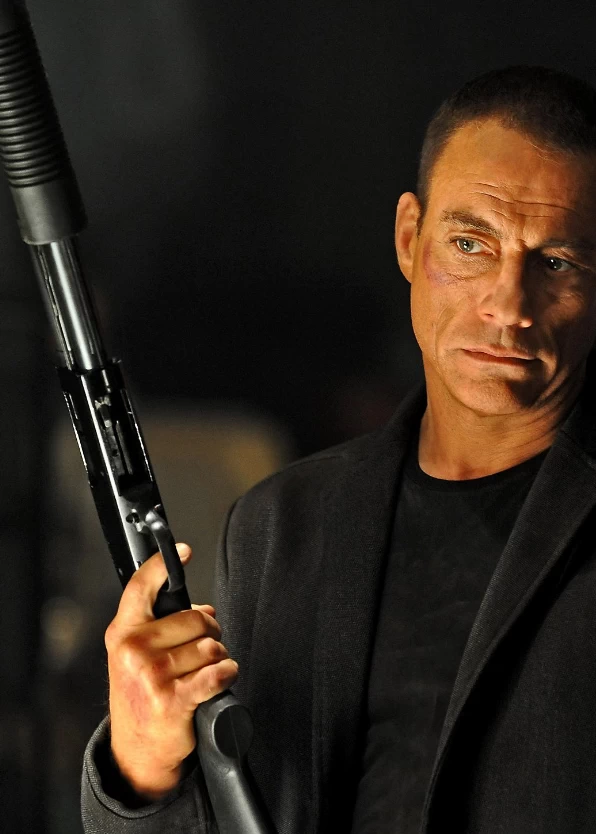
Kris van Damme,Bianca van Damme and Jean-Claude van Damme
What makes this film especially memorable is who Scott Adkins gets to share the screen with. Jean-Claude Van Damme co-stars as the cold-blooded killer Brazil, marking another collaboration between the two action stars — one of several they would have together both before and after this film. But the connection goes even deeper: Van Damme’s own children also play important roles in the story. His son, Kristopher Van Varenberg, appears as Interpol agent Schell, while his daughter, Bianca Van Varenberg, portrays Anna, Flint’s comatose lover. This gives the film a unique family connection behind the scenes as well as on screen, bringing together three generations of action-film talent in a memorable chapter of Adkins’ career.
A true family project for Van Damme, but amidst all the Van Damme-style action, Adkins holds his ground very well. His role carries the emotional core of the film, his presence is dominant, and his performance might be the strongest of them all.
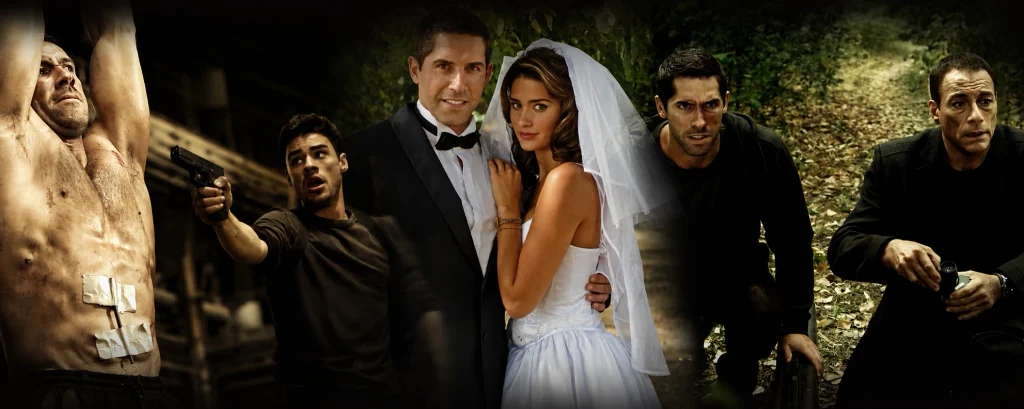
From Rivals to Allies
an Damme delivers a restrained and understated performance, portraying Brazil as a man who has seen almost everything and has long since learned to suppress his emotions. Cold, analytical, and almost mechanical in his approach, he carries out his deadly work with calm precision. Brazil has built his entire existence around silence, discipline, and control — until he crosses paths with Flint, a man driven by grief, anger, and a burning desire for revenge.
The dynamic between Van Damme and Adkins is one of the film’s strongest elements. Their characters initially stand on opposite sides, each pursuing his own objective, but circumstances gradually force them into an uneasy alliance. What develops between them is not conventional friendship, but a bond built on necessity, mutual respect, and a shared understanding of pain. Both men are shaped by trauma, yet they deal with it in completely different ways.
That contrast is what makes their chemistry so effective. Van Damme plays Brazil with a stoic, almost emotionless presence, while Adkins brings intensity, vulnerability, and explosive energy to Flint. One character has buried his emotions beneath years of discipline; the other can barely contain his. As their paths become increasingly intertwined, these differences begin to complement rather than oppose each other, creating one of the most memorable partnerships in Adkins’ early career.

No Heroes, only Survivors
Director Ernie Barbarash gives Assassination Games a sober, dark tone that perfectly complements the tragic nature of its two central characters. The film never tries to glamorize their world. Instead, it creates a cold and oppressive atmosphere where violence feels brutal, personal, and consequential. The action is tight, focused, and deliberately restrained, with Adkins’ hand-to-hand combat standing out as a particular highlight. His fights are fast, precise, and technically impressive without ever feeling excessive or disconnected from the story.
Visually, the film embraces a bleak and almost suffocating aesthetic. Much of the story unfolds across Eastern European streets, abandoned factories, dim interiors, and anonymous apartments, creating a world that feels cold, isolated, and devoid of hope. The deliberate pacing allows the tension to build gradually, giving the characters and their emotional struggles room to breathe between the bursts of violence.
Beneath its action-thriller surface, Assassination Games explores themes of moral ambiguity, the psychological scars left by violence, and the fragile nature of justice. There are no traditional heroes here — only damaged men trying to survive a world that has already taken something from them. That is ultimately what makes the film so compelling. It is not really a story about victory, but about loss, survival, and finding a measure of dignity in the aftermath.
Assassination Games isn’t a typical shoot-’em-up, but a stylized character study wrapped in action. Jean-Claude Van Damme proves he has grown as an actor, and Scott Adkins is given room to shine — both physically and emotionally. The fact that Adkins shares the screen with the entire Van Damme family makes the film truly unique.
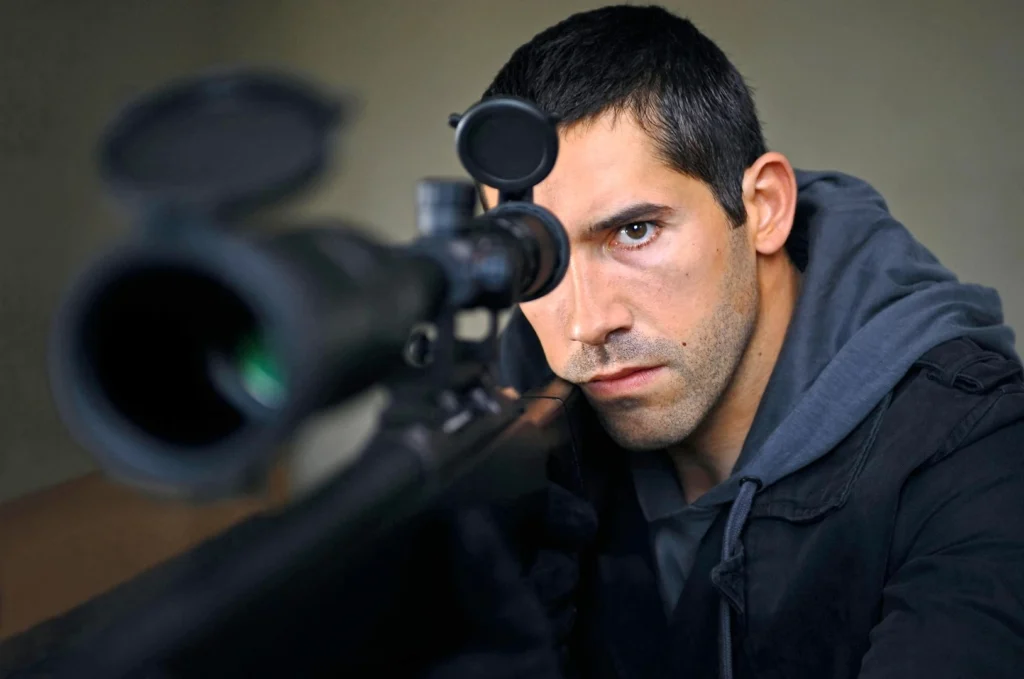
The Trailer